
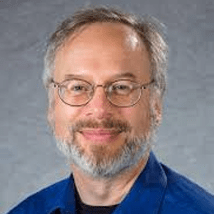
Professor Chris Schardl
Department of Plant Pathology, University of Kentucky, USA
Christopher Schardl received his B.S. in Biochemistry from Cornell University in 1978, and Ph.D. in Biochemistry from the University of California, Davis in 1983, working on secondary metabolism in Agrobacterium. His Postdoc at the Plant Breeding Institute in Cambridge, U.K. focused on mitochondrial genomes and episomes in maize.
In 1985 he joined the University of Kentucky Department of Plant Pathology, where he started a program on fungal molecular biology and metabolism. He now holds the Harry E. Wheeler Chair in Plant Mycology at his university. Schardl was a sabbatical visitor to Prof. Barry Scott’s lab in 1992–1993, and to Prof. Adrian Leuchtmann’s lab in 2003.
Major accomplishments and discoveries by Schardl’s group and collaborators include polyploid interspecific hybrids of Epichloë, the determinant genes and gene clusters for ergot alkaloids, loline alkaloids and swainsonine, techniques for genetic modification of endophytes, and the first published genomic sequences of Epichloë species and other Clavicipitaceae.
Dr Linda Johnson
Principal Scientist, Bioeconomy Science Institute – AgResearch Group, Palmerston North, New Zealand
Linda is a Principal Scientist and has been the Science Group Manager for Resilient Agriculture since 2020. The science group is developing innovative solutions to deliver low-emission, environmentally sustainable and climate resilient agricultural farming systems. The integration of these technologies and uptake into whole systems on farm will contribute towards a more productive and sustainable economy for the future.
Linda joined AgResearch in 2003 as a fungal molecular biologist with a PhD from West Virginia University, USA. For 9 years, Linda was a Science Team Leader for the Plant-Microbe Interactions Team at AgResearch, a multi-disciplinary research team with expertise in plant-microbe interactions as applied to a forage context. The team’s primary emphasis was to understand and utilise endophytic fungi for New Zealand’s pastoral, arable and agricultural industries. The team are world leaders in the development of new animal safe grass-endophyte associations that confer bio-protective properties for increased pasture persistence and productivity.
Linda, as lead Principal Investigator, and the Endophyte Discovery Team at AgResearch, recently won the prestigious 2024 Te Puiaki Pūtaiao Matua a Te Pirimia, The Prime Minister’s Science Prize for generating significant economic and environmental benefits by developing a microorganism which enhances the health and productivity of the ryegrass growing on most farms in New Zealand.
Dr Linda Johnson has been invited to ISGME2025 to give a talk within the opening session of the symposium on an ‘Overview of Epichloë fungal endophyte research at the AgResearch Group – Bioeconomy Science Institute’.
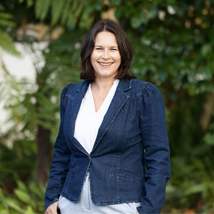

Professor Carolyn Young
Department Head, Entomology and Plant Pathology, North Carolina State University, USA
Professor Carolyn Young joined NC State University as Department Head of Entomology and Plant Pathology after a distinguished career that spans academia and industry. Prior to this role, she served as a Professor at the Noble Research Institute in Ardmore, Oklahoma, for 15 years and spent six months as Principal Scientist at Nature’s Fynd in Bozeman, Montana.
Internationally recognised for her expertise, Professor Young’s research focuses on seed-transmitted fungal endophytes and their impact on forage grazing systems, as well as endophyte diversity in native grasses and crop wild relatives. Her contributions include the discovery of genes involved in the synthesis of bioprotective alkaloids, the identification and description of novel endophyte species, and the development of genomic and culture resources. She has an impressive h-index of 40, reflecting her significant influence in the field.
Professor Young has also established innovative educational initiatives centred on inconspicuous symbioses and provided valuable knowledge and tools to stakeholders. Originally from New Zealand, she completed her studies at Massey University and moved to the United States in 2004 for a postdoctoral fellowship at Ohio State University. She established her own research lab at the Noble Research Institute in 2006. An accomplished editor, Professor Young was the founding Editor-in-Chief of Phytobiomes Journal, launched in 2017 by the American Phytopathological Society. She is deeply committed to mentoring, focusing on professional socialisation and personal support to enhance early-career development. Inspired by the guidance of her own mentors, she strives to foster similar meaningful relationships with the next generation of scientists.
Professor Carolyn Young has been invited to speak at ISGME2025, where she will present during the opening session of the symposium on ‘Historical Perspectives on the Use of Biologicals in Agriculture,’ with a particular focus on Epichloë fungal endophytes of pasture grasses.
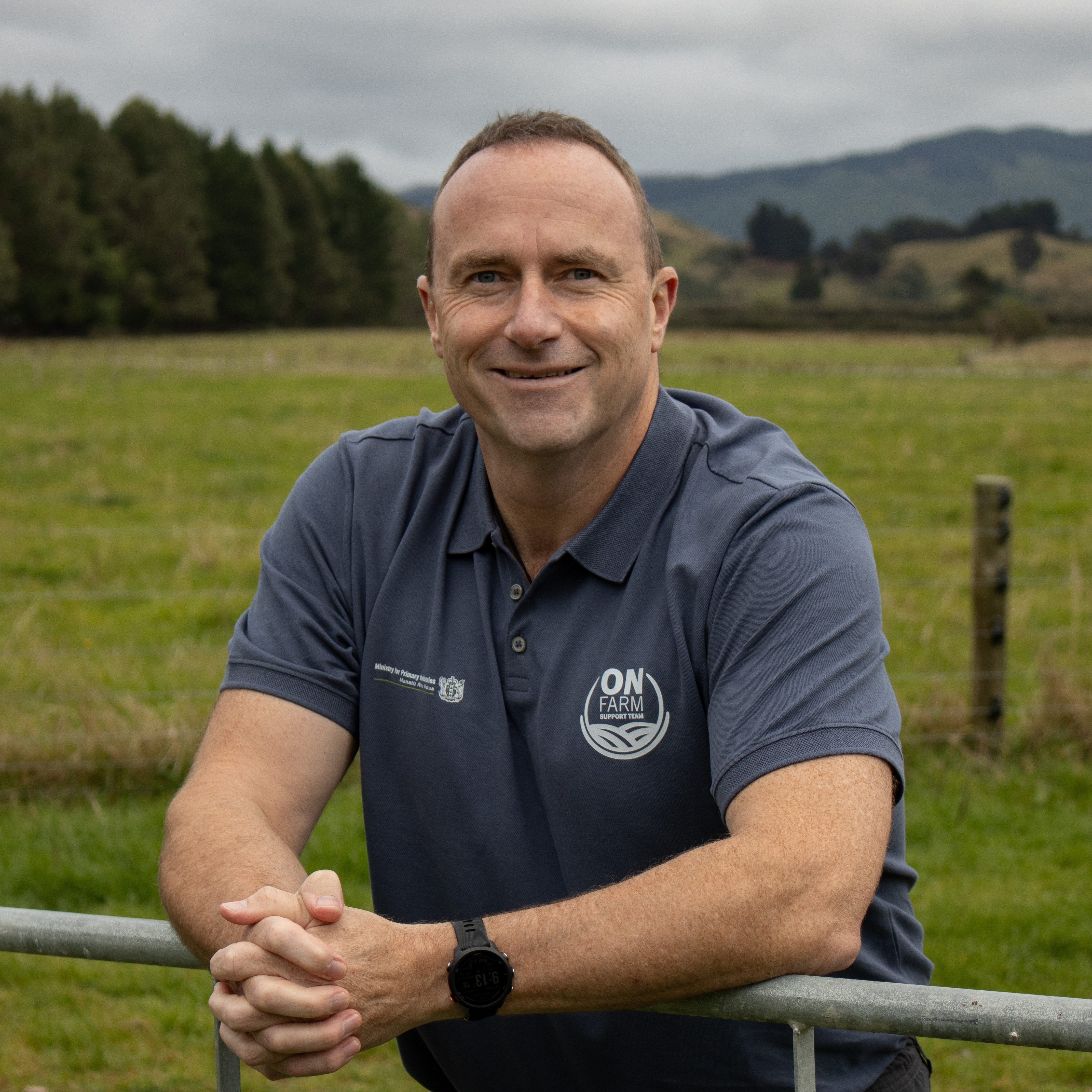
Dr John Roche
New Zealand Prime Minister’s Chief Science Advisor and Chief Departmental Science Advisor at Ministry for Primary Industries (MPI), New Zealand
John was appointed Chief Departmental Science Adviser to New Zealand’s Ministry for Primary Industries (MPI) in June 2018 to provide independent and strategic science advice to the Director-General and to provide leadership in the wider ministry science areas. In August 2022, John took on the additional role of Director, On Farm Support, to establish an on-the-ground service for farmers and growers. He is a member of MPI’s Senior Leadership Team and the Prime Minister’s Chief Science Adviser’s Forum and is an Honorary Academic in University of Auckland’s School of Biological Sciences. John was previously DairyNZ’s Principal Scientist for Animal Science and has held science appointments in Australia and Ireland. He is also Managing Director of Down to Earth Advice Ltd.
John has an Honours degree in Agricultural Science, a Masters in Farm Systems and Pasture Management, and a PhD in Animal Nutrition. John also has extensive experience in drystock farming and dairy. Widely published, with over 400 publications and an H-Index of 64, research.com ranks John in the top five scientists in New Zealand and among the top 250 scientists globally in Animal and Veterinary Sciences. He is also a regular contributor to international science and farming conferences around the world.
Dr John Roche has been invited to ISGME2025 to give a talk within the opening session of the symposium on an ‘Industry Perspective of Utilising Microbes in Agriculture’
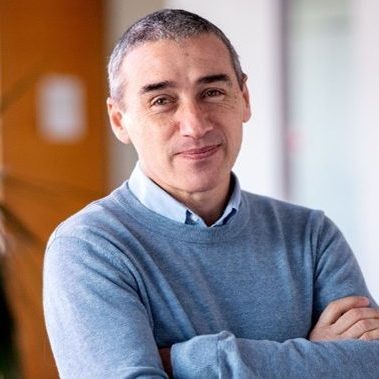
Professor Pedro Gundel
Centre for Integrative Ecology (CIE), Institute of Biological Sciences, University of Talca, Chile and BioLab (CONICET-UNICEN), Argentina
Pedro is an agronomist with interests in plant ecology, particularly the interactions between plants, fungal endophytes, and herbivores. He completed his doctoral thesis at the University of Buenos Aires (School for Graduates ‘Alberto Soriano’, Faculty of Agronomy), Argentina, between 2004 to 2009. Pedro’s thesis focused on the factors controlling the prevalence of endophyte symbiosis in grass populations, with special emphasis on the vertical transmission process. In 2011, Pedro joined the research group of Professors Kari Saikkonen and Marjo Helander in Finland. Here, his work focused on understanding how fungal endophytes influence the adaptation of red fescue to different habitats in arctic and subarctic environments. Pedro is at the origin of key discoveries on grass-endophyte associations such the detrimental effect of inoculation by endophytes on the resistance to oxidative stress, and the regulation of secondary metabolites involved in the association. He is author of several articles aimed at understanding the endophyte effect on seed longevity as well as factors affecting endophyte viability in seed. Pedro has achieved most of his academic and scientific career at IFEVA (Institute of Agricultural Plant Physiology and Ecology), Faculty of Agronomy, University of Buenos Aires and CONICET (National Scientific and Technical Research Council). Currently, he works at the Centre of Integrative Ecology (CEI), Institute of Biological Sciences (ICB), University of Talca, Chile.
Professor Pedro Gundel has been invited to ISGME2025 to give a talk within the session titled ‘Ecology and Evolution’.
Professor Pilar Catalán
University of Zaragoza, Departamento de Ciencias Agrarias y del Medio Natural, Huesca, Spain
Pilar graduated in Biology at the University of Navarra (Spain) in 1980 and obtained her PhD in 1987 under Prof. Pedro Montserrat-Recoder’s direction at the Aranzadi Natural Sciences Institute-Pyrenean Institute of Ecology (CSIC) -Basque Country University (Spain). From 1989-1991 she joined Prof. Clive A. Stace’s laboratory at Leicester University (UK) for her first postdoctoral training, and from 1993-1994 Dr. Richard Olmstead’s and Dr. Elizabeth Kellogg’s labs at Colorado and Harvard Universities (USA) for further postdoctoral collaboration. Since 1998 Pilar has been head of her research team Bioflora at the University of Zaragoza in Huesca (Spain). She obtained a Professorship in Botany at the University of Zaragoza in 2008 and a visiting Professorship at Tomsk State University (Russia) between 2014-2021. In addition, Pilar was a member of the Spanish National Board for Biodiversity from 2006 to 2010 and has led scientific networks with Venezuelan, Argentinian, and Ecuadorian institutions since 2000. In 2010 she joined the US-EU scientific consortium funded by the Joint Genome Institute (JGI) for the study of the model monocot genus Brachypodium. She has collaborated with the Grass Phylogeny Working Group in the phylogenomic analysis of world grasses and has investigated the taxonomy and evolution of fescues, ryegrasses, and other cool-seasonal grasses. She was awarded Corresponding member of the Botanical Society of America in 2017. Pilar is interested in grass diversity, genomics and evolution, hybrid and polyploid speciation, and the coevolution of Pooideae grasses and their Epichloë symbionts using biological, genomic, and evolutionary approaches.
Professor Pilar Catalán has been invited to ISGME2025 to give a talk within the session titled ‘Ecology and Evolution’.
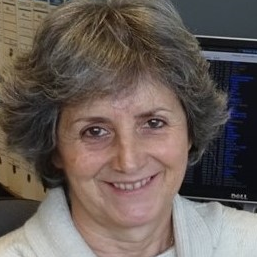
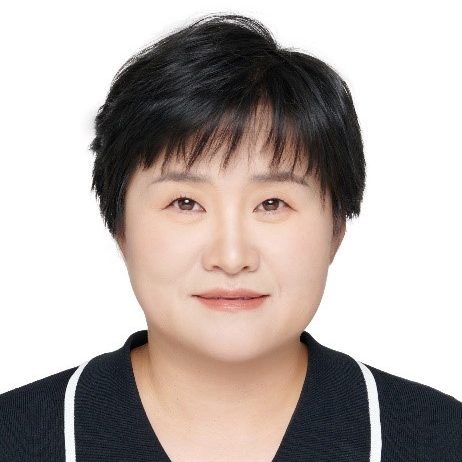
Professor Pei Tian
College of Pastoral Agriculture Science and Technology, State Key Laboratory of Herbage Improvement and Grassland Agro-ecosystems, Lanzhou University, China
Pei has focussed her research on pasture grass-fungal endophyte interactions, endophyte diversity and forage breeding. Pei has studied evolutionary biology, systematics (taxonomy) and genetics. Before joining Lanzhou University, Pei was a researcher at Agriculture Victoria, AgriBio, the Centre for AgriBioscience, Australia where she studied the process of endophyte inoculation and evaluation, genomic and metabolic characterisation of alkaloid biosynthesis by Epichloë endophytes of pasture grasses. At Lanzhou University, Pei continues her research interests with endophytes with particular interests in Epichloë endophytes of Chinese native grasses and their conferment of resistance to stress.
Professor Pei Tian has been invited to ISGME2025 to give the opening talk within the session titled ‘Genetics and Genomics’.
Professor Leopoldo Iannone
National Scientific and Technical Research Council (INMIBO-CONICET), University of Buenos Aires, Argentina
Leopoldo is currently an Independent Researcher at the National Scientific and Technical Research Council (INMIBO-CONICET), Professor of Plant Systematics and Vice-Director of the Department of Biodiversity and Experimental Biology at the Faculty of Exact and Natural Sciences of the University of Buenos Aires. Leopoldo began studying Epichloë endophytes in his final undergraduate thesis and continued this line of research during his PhD thesis. In 2018, Leopoldo was awarded the Carlos Spegazzini Medal by the International Mycological Association. His main area of research is investigating the diversity and evolution of Epichloë endophytes in South America and the effect of these fungi on their host plants.
Professor Leopoldo Iannone has been invited to ISGME2025 to give the opening talk within the session titled ‘Endophytes of Wild Grasses’.

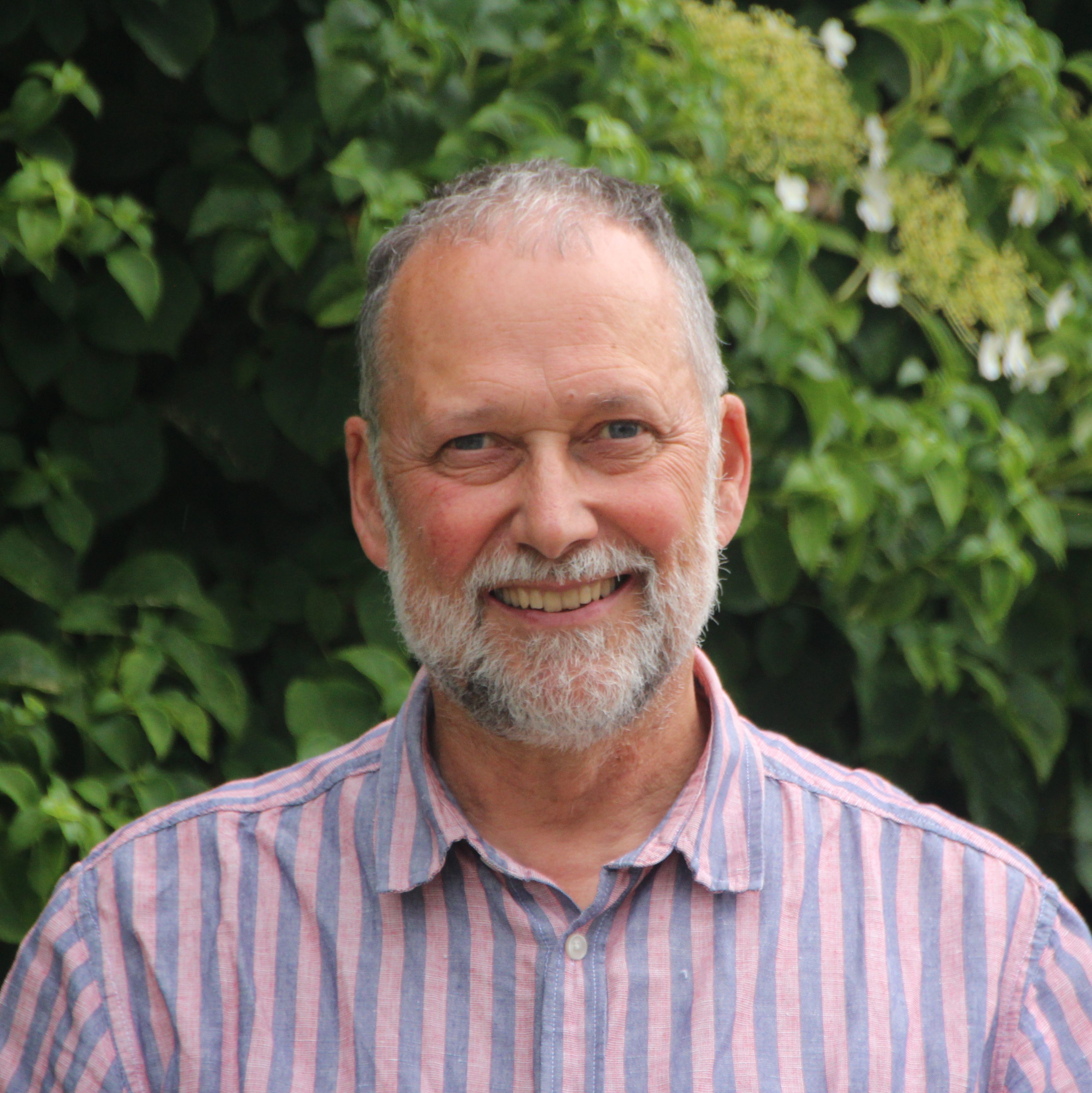
Professor David Collinge
Department of Plant and Environmental Sciences, Faculty of Science, University of Copenhagen, Denmark
David B. Collinge was educated in genetics at the Universities of Liverpool (BSc (hons) 1979) and Newcastle Upon Tyne (PhD, 1982). After a spell at the (then) John Innes Institute in Norwich (1985-87), he was appointed Associate Professor in Molecular Plant Pathology in 1988 and Professor of Plant Pathology at the University of Copenhagen in 2002. David’s main research interests are (1) the mechanisms of defences operating in plants against pathogens (2) endophyte biology and biological control of disease. His research group has worked with several biological systems, mainly involving fungal pathogens since 1988. The bulk of the research effort has concerned cereals, namely barley, oats and wheat with the Powdery Mildew Fungus, Blumeria graminis and Fusarium spp. This effort has been rewarded with much new knowledge on the nature and role of different defence mechanisms plants and mechanisms of infection. This research effort has been published in over 125 refereed international publications to date. He is also active in the public debate drawing attention to the importance of plant diseases and our opportunities to combat them with biotechnologies such as genetic engineering and biological control. David served in the presidium of BSPP from 2018 to 2022 and is joint editor in chief of CABI Plant Health Cases and associate editor “Plant Pathology” and “European Journal of Plant Pathology”.
Professor David Collinge has been invited to ISGME2025 to give an opening talk within the session titled ‘Endophytes in Agriculture & Turf’.
Steve Reid
Head of Lawn and Consumer Turf for DLF R&D
Steve Reid has been a turf and forage grass breeder with DLF for over twenty years during which time he has developed and released over 50 cultivars. Steve’s turfgrass breeding efforts concentrate on lower input, disease tolerance, and seed yield while his forage breeding efforts are centred around forage quality as well as forage and seed yield. Steve is past-President of the Turfgrass Breeders Association and Board Member of the National Turfgrass Evaluation Program (NTEP). He currently serves on the Global Leadership Team of DLF R&D.
Steve Reid has been invited to ISGME2025 to give an opening talk within the session titled ‘Endophytes in Agriculture & Turf’.


Dr Shengjing Shi
Senior Scientist, Microbial Solutions Team, Resilient Agriculture, AgResearch, New Zealand
Shengjing’s research focuses on understanding the functions of the soil microbiome, plant-microbe interactions and how these interactions are affected by climate change. Since joining AgResearch, Shengjing has also advanced her expertise in developing beneficial microorganisms to benefit agriculture.
Shengjing has led several multi-institute MBIE programs and research initiatives, including the MBIE Endeavour program Improving Legume-Rhizobia Performance and the Smart Ideas project Enhancing Biological Nitrogen Fixation Using Phenomics. She was also a key researcher in the SSIF program Microbiome: From Soils to Plates. Since July 2024, Shengjing has been co-leading the new Flagship Program Plant and Microbiome of the Future. Her contributions to understanding and developing beneficial microbes, including rhizobia, for sustainable agriculture in Aotearoa New Zealand and her leadership in multidisciplinary collaborations were recognised with a Science New Zealand Research Award in 2019.
Dr Shengjing Shi has been invited to ISGME2025 to give the opening talk within the session titled ‘Grass Microbiomes’.
Dr Austen Ganley
University of Auckland, New Zealand
Austen Ganley is a Senior Lecturer in Genetics at the University of Auckland. He received a PhD from Massey University, New Zealand, working on Epichloë endophyte genetics under the supervision of Professor Barry Scott. He subsequently spent time working at Duke University in the US, the National Institute of Basic Biology in Japan, and the National Institute of Genetics in Japan, before starting his own lab at Massey University. He then moved to the University of Auckland in 2016, and since that time has also been a visiting scientist at Cold Spring Harbor Laboratories, the University of Tokyo, and Galway University.
Dr. Ganley’s research interests revolve around understanding the molecular processes that underpin eukaryote genome structure and evolution. His work encompasses molecular biology, genomics, bioinformatics and synthetic biology approaches. He has worked on a wide variety of eukaryotes, but with a particular focus on fungi, and has maintained an interest in the Epichloë endophytes stretching back to his postgraduate work at Massey University. He is internationally recognised, particularly for his contributions to our understanding of the molecular processes that drive the rapid evolutionary dynamics of the ribosomal RNA gene repeats, including publications in Science, Molecular Cell and Current Biology. He currently teaches genetics, genome biology and symbiosis at undergraduate and postgraduate levels at the University of Auckland.
 ISGME2025